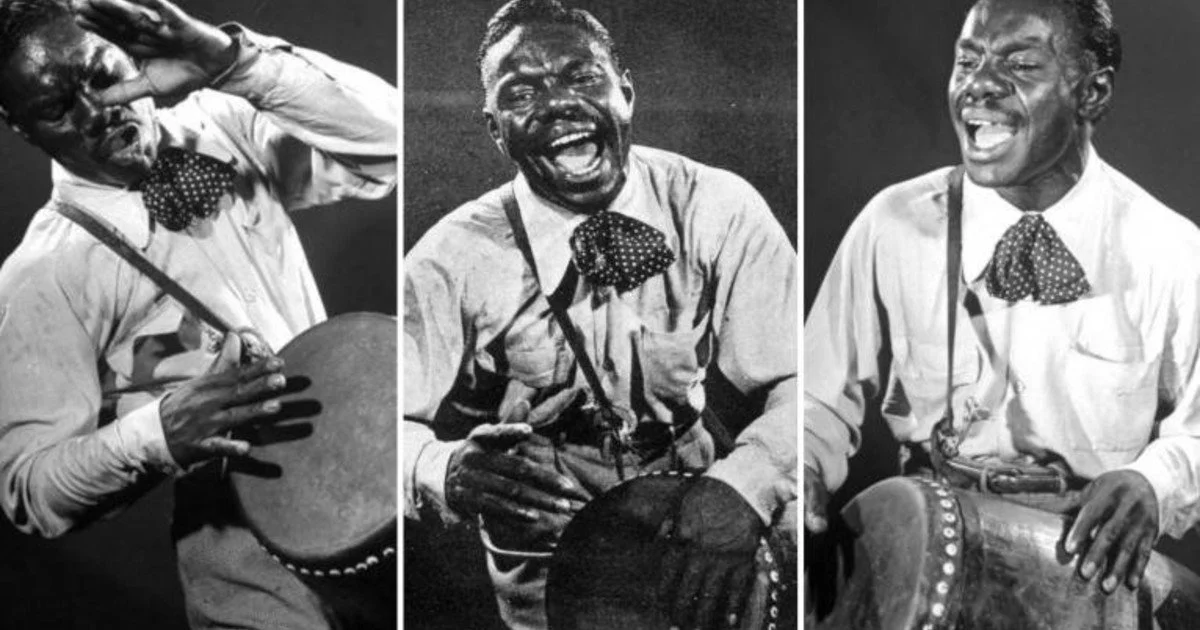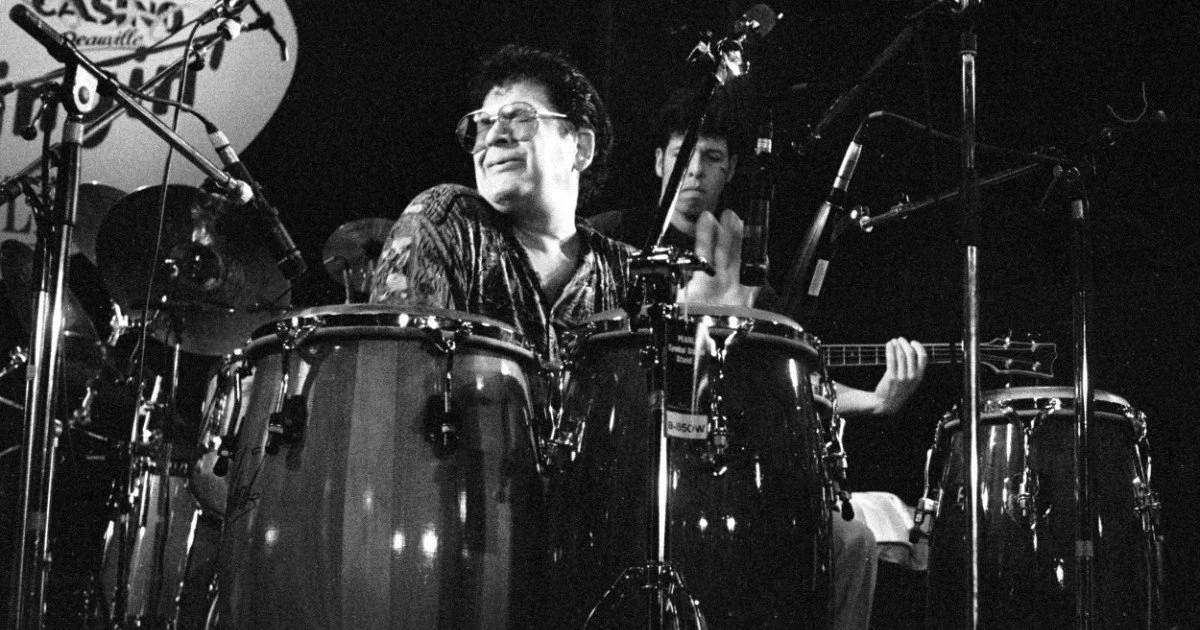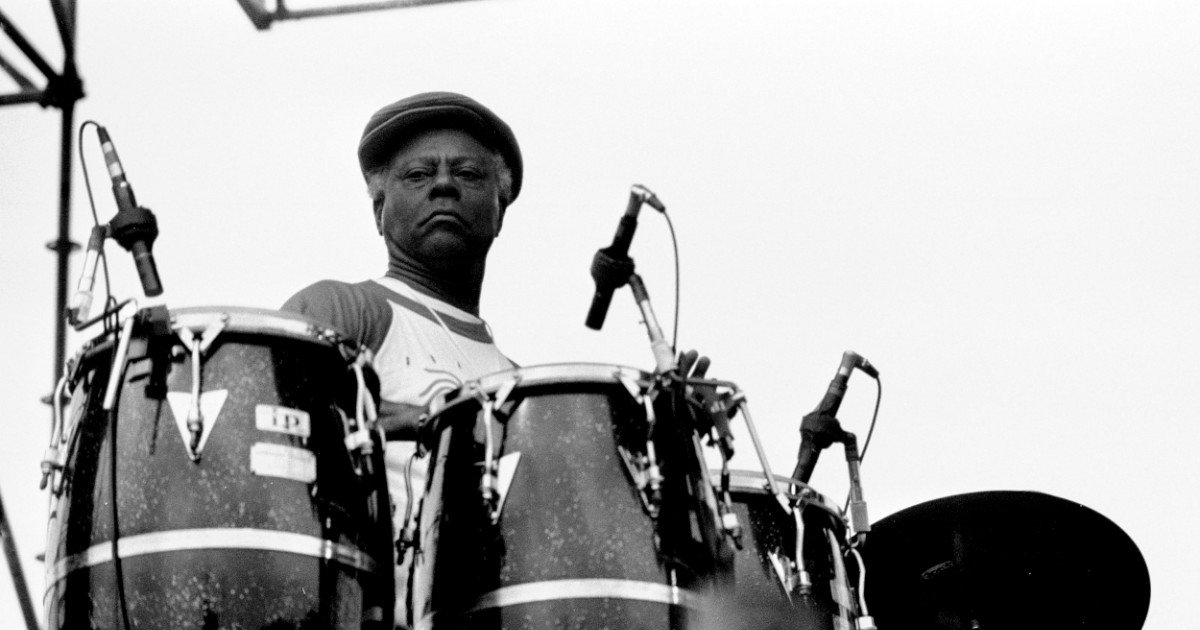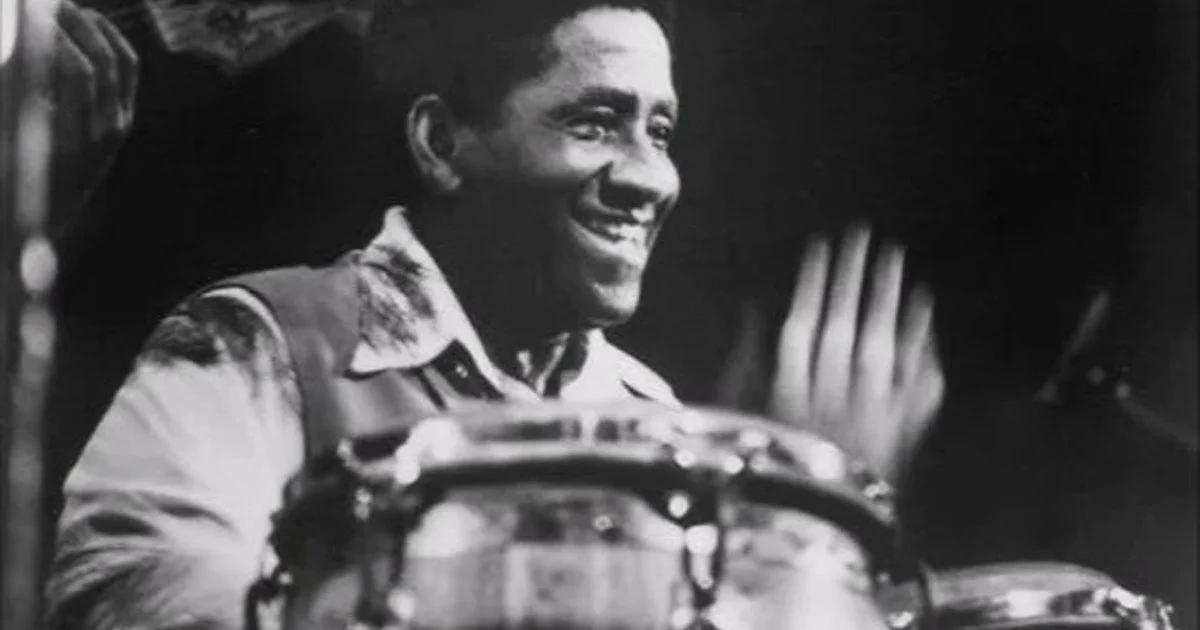
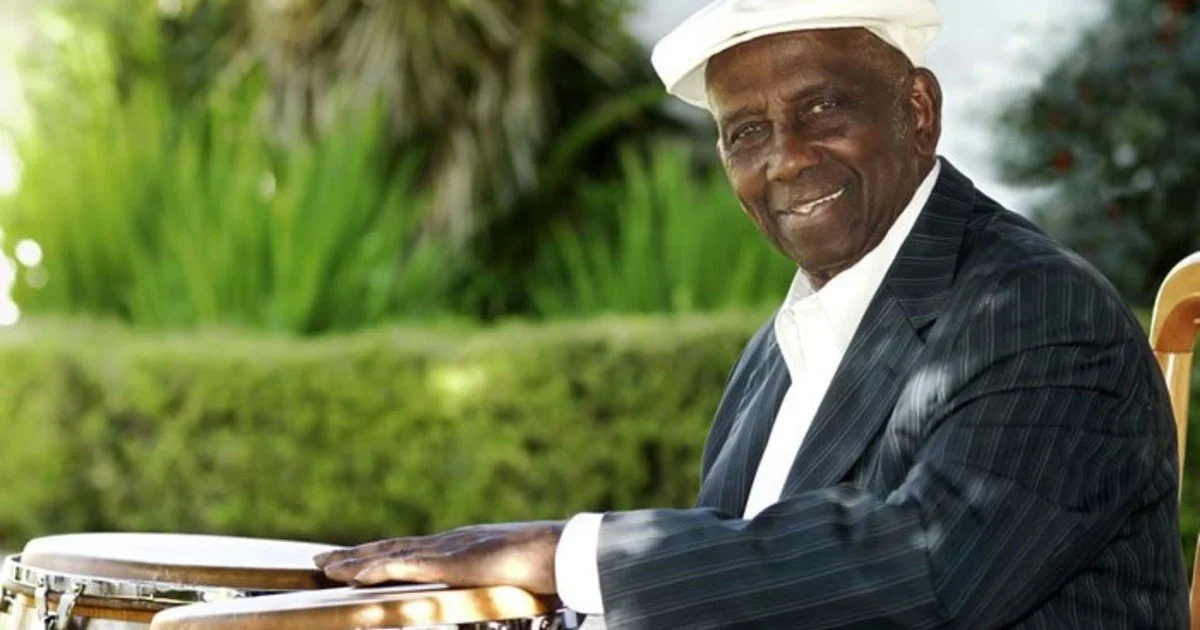
Ray Barretto (1929–2006) was one of the most recorded congueros in the history of Latin music — a percussionist whose hard-hitting style and restless musical curiosity left an indelible mark on jazz, salsa, and everything in between.
Armando Peraza (1924–2014) was one of the most traveled and widely heard percussionists in the history of Latin music — a Cuban master of conga and bongo whose career spanned nearly seven decades and ranged from Havana's conjunto scene to the stadiums of Santana.
Carlos “Patato” Valdés (1926–2007) was a Cuban percussionist and bandleader whose six-decade career bridged Havana’s dance halls and New York’s jazz stages. A defining figure in Afro-Cuban jazz, his performances and recordings continue to influence percussionists around the world.
Ramón “Mongo” Santamaría (1917–2003) brought the sound of the conga drum from Havana to the world stage. His work with Tito Puente, Cal Tjader, and Herbie Hancock helped define Latin Jazz and Afro-Cuban percussion for generations to come.
Tuning timbales, like tuning any drum, is an oft-overlooked art form however. With proper tuning, the drums have an open, resonant quality that allows the timbale player to articulate the various stroke types and convey a clear musical message.
The timbales, of Afro-Cuban descent, have become a ubiquitous instrument in percussion set-ups used in nearly every kind of popular western music, from Salsa to Pop, Funk, and Rock’n’Roll.
Along with learning how to play the conga drums, or any instrument for that matter, it’s important to have a general idea about where those instruments come from, and how they’ve evolved over time.