YOUR FIRST CONGA LESSON
GET STARTED PLAYING CONGAS THE RIGHT WAY
With Paulo Stagnaro, Grammy-Award Winning Percussionist and Educator
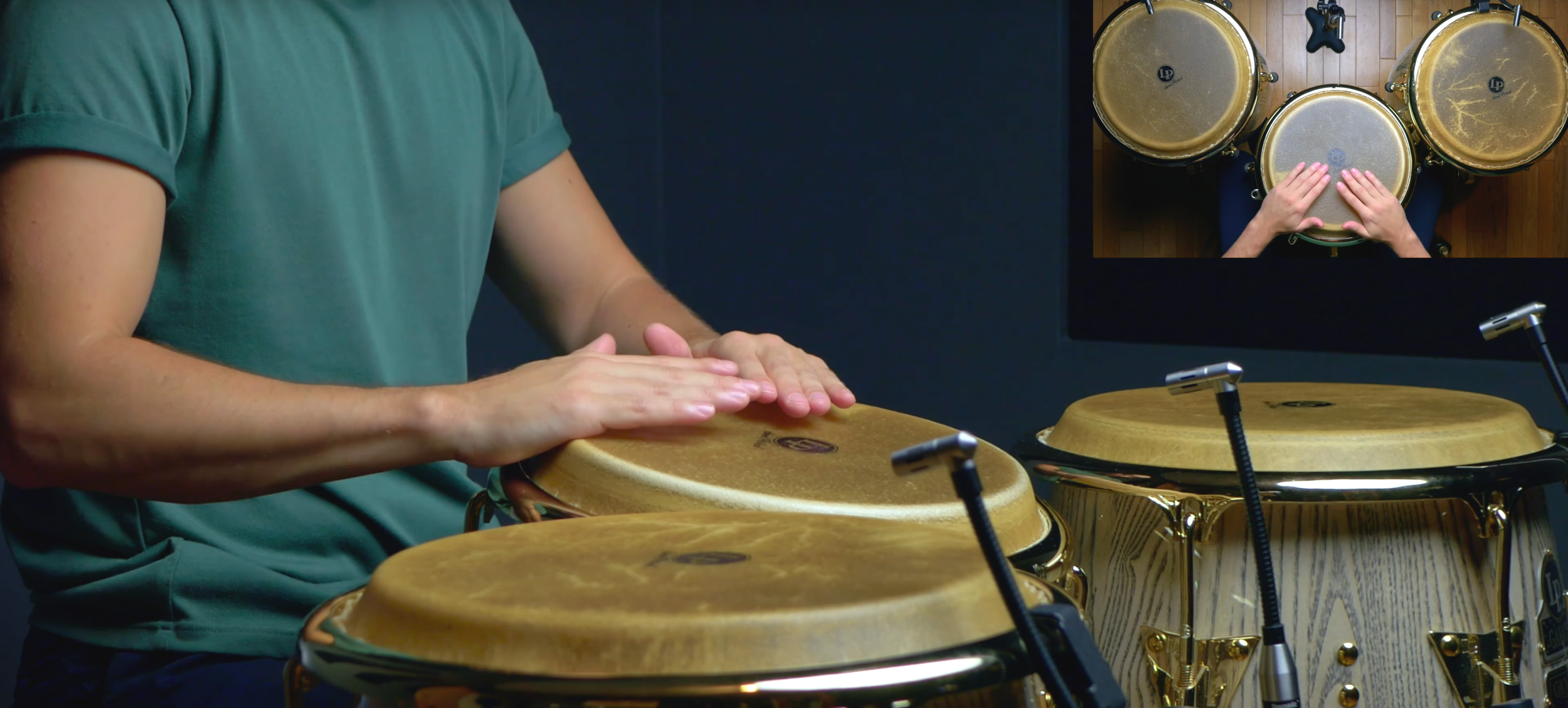
From technique to your first tumbao, learn the fundamentals of modern conga playing in one focused lesson.
In this free Masterclass recorded for PASIC, Grammy-winning percussionist Paulo Stagnaro walks you through the exact concepts used by thousands of conga players worldwide. You’ll discover how to set up your drums, get a great sound, and play your first grooves in a way that feels musical and organic.
Whether you're a complete beginner or someone who’s been piecing things together from random online conga lessons and YouTube clips, this workshop gives you a clear starting point, a simple structure, and the confidence to keep going.
What you’ll learn
This is a complete “first steps” session built around five clear sections so you always know what you’re practicing and why.
Anatomy & Tone Basics – Understand how materials, heads, and stroke placement shape your sound.
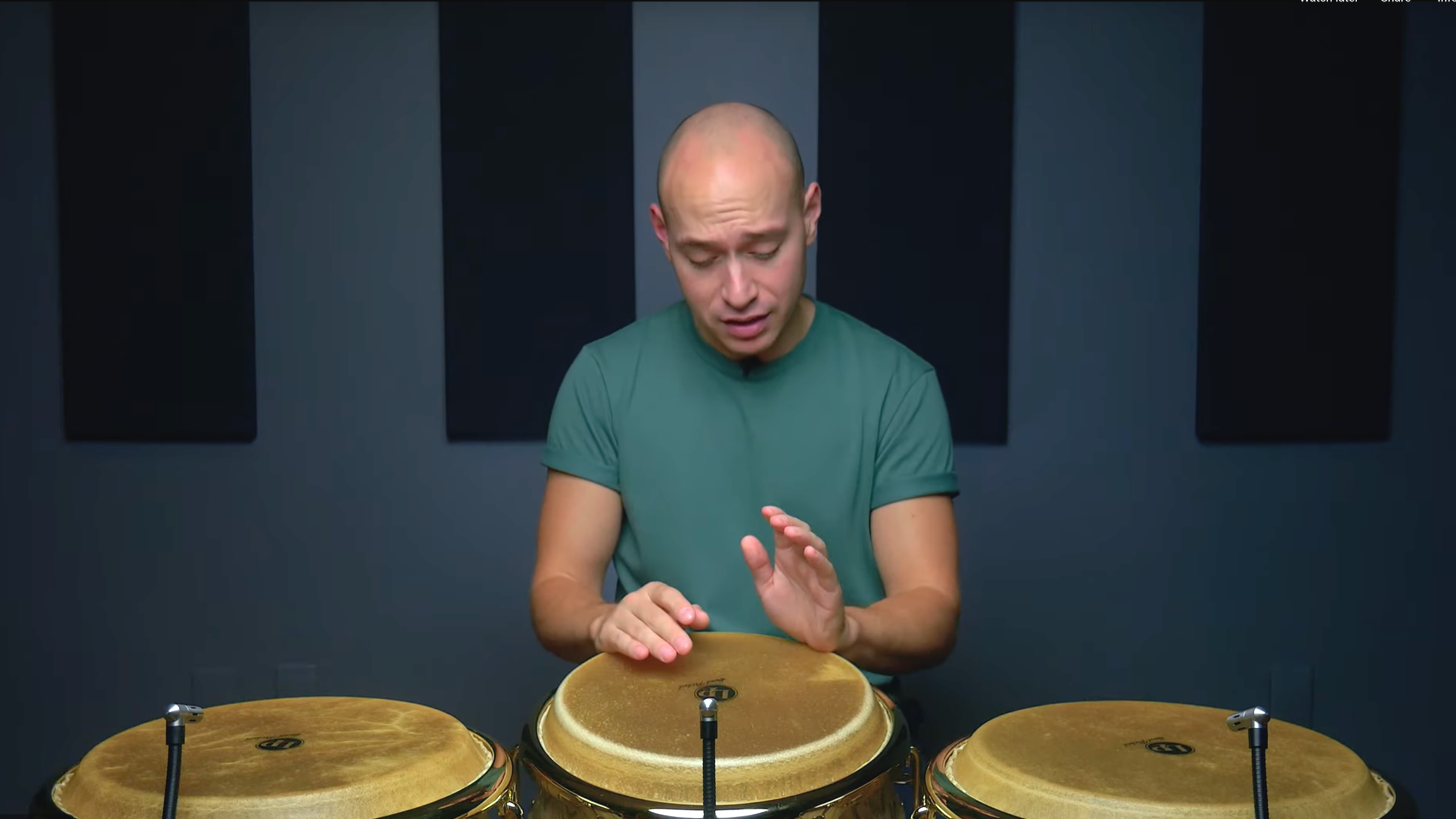
How to Sit & Play Safely – Learn to protect your wrists, shoulders, and back while playing an inherently physical instrument.
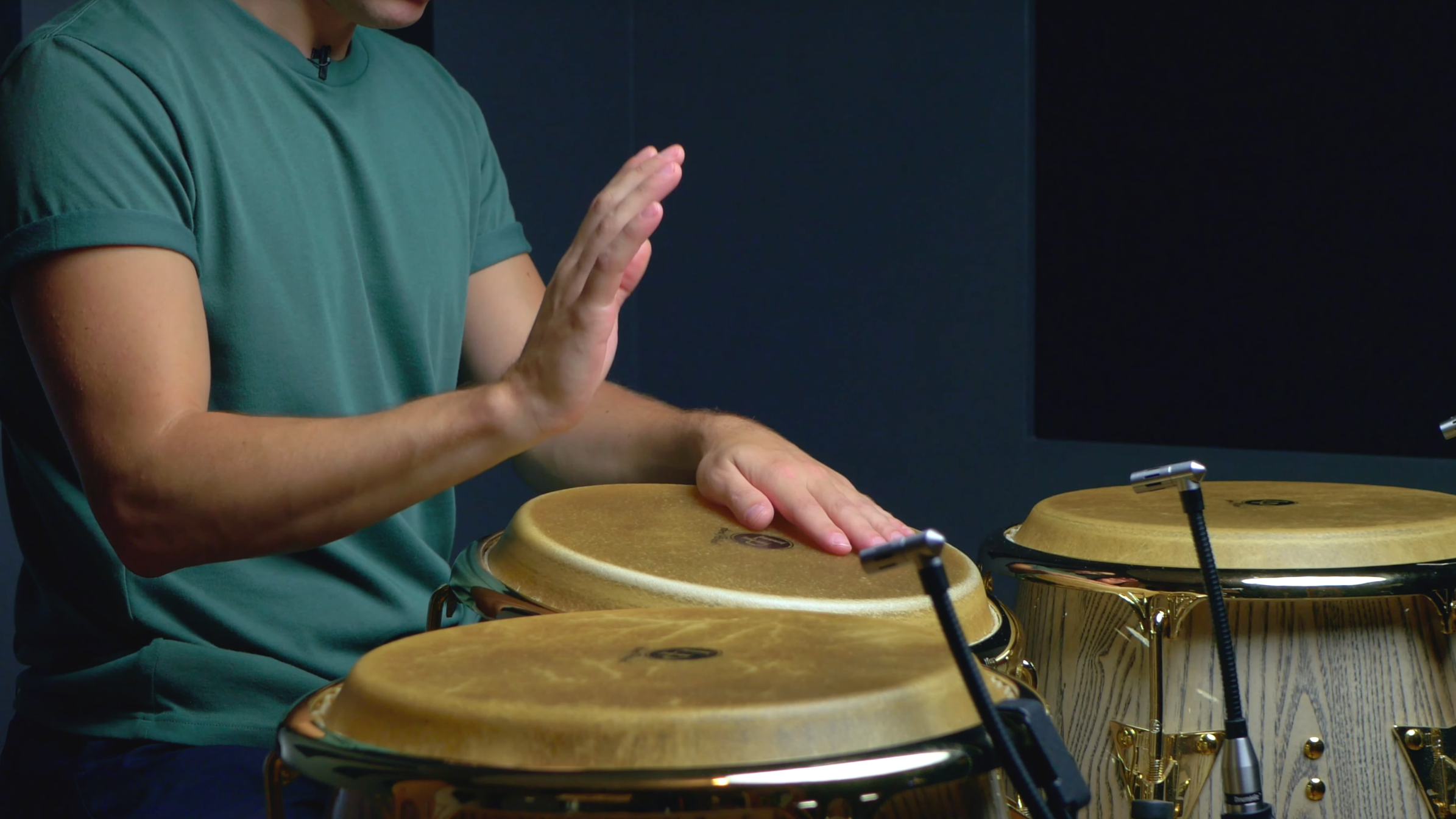
The 5 Essential Conga Sounds – Open tones, muffled tones, closed slaps, open slaps, and bass tones — built step-by-step.
Palm-Tip Technique – Build relaxed speed, rolls, and the foundation of modern conga technique.
Real Grooves – Tumbao, 6/8, pop/funk backbeat variations, and how to apply each one in a musical setting.
Practice Method – Learn to move from slow exaggerated motions to compact, fast, fluid technique.
Who This Lesson Is For
This masterclass is designed for players who want a serious, musical foundation without feeling overwhelmed.
Complete beginners who want a clear, musical first step on congas
Drum set and percussion players looking to add authentic conga skills
Intermediate players who feel they’ve missed some fundamentals
Anyone tired of random videos and ready for a guided, step-by-step start
How it works
You'll get immediate access to the full 30-Minute Masterclass video
No prior experience required—just a pair of hands and a desire to start making music.
No drum? No problem— any hard surface such as a wooden stool or table will do the trick.